




One Room, Seven Products: Why Rate-Plan Strategy Is an Owner’s Focus, Not Just a Front-Desk Tactic
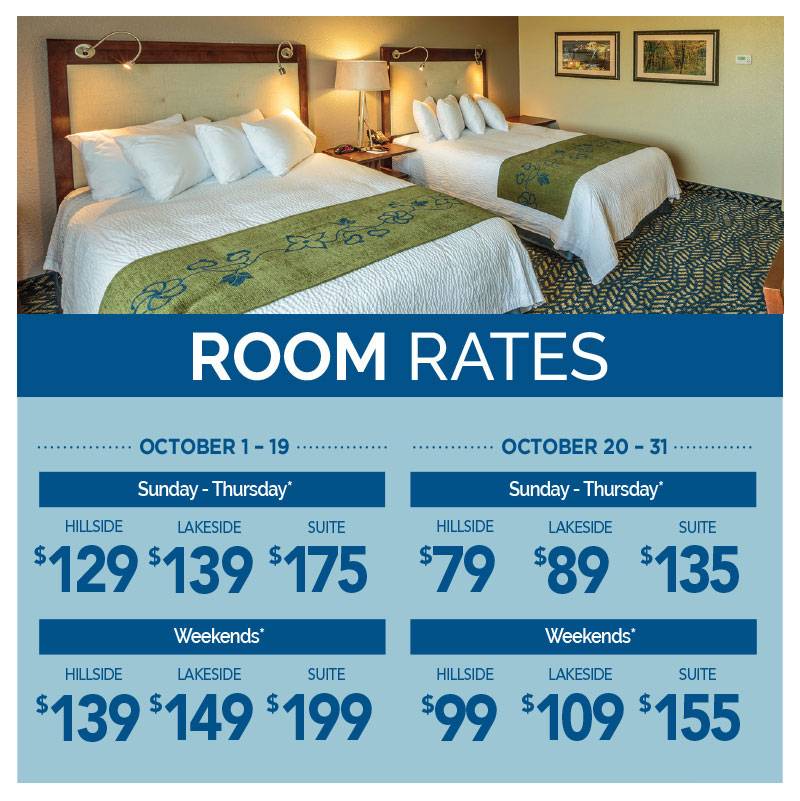
Hoteliers and real estate owners talk a lot about “the room.” We model it by type, by floor, by view. We debate furniture savings, room views, and bathroom setups. But in today’s distribution environment, a single physical room is actually seven or more different products, depending on how you package, price and restrict it.
Same Floor. Same address. Same square footage. Different inclusions. Different rules. Different values. Different contributions to your NOI.
If you are not thinking about rate plans as a core component of your asset strategy, you are leaving money, loyalty and operational efficiency on the table.
The Same Room, Multiple Products
Consider a standard king room in a suburban extended-stay or midscale asset. On paper, it is one SKU. In practice, it can be sold under multiple distinct rate plans, for example:
- Room Only: Base rate, no meals, standard flexibility.
- Breakfast Included: Room + breakfast; higher ADR, often better guest satisfaction and review scores.
- Half Board: Breakfast + dinner; useful in locations where guests have limited dining options or where you are packaging with attractions or events.
- Full Board: Breakfast + lunch + dinner; more common in resort or remote locations, but also relevant for certain group, sports or project accommodations.
- Refundable: Higher price, more flexibility; appeals to risk-averse travelers and many corporate bookers.
- Non-Refundable: Lower price, stricter cancellation; improves cash flow certainty and reduces no-shows.
- Pay at Hotel: Payment collected on property, often with specific deposit or guarantee rules; useful for certain markets, segments and booking channels.
- Skip housekeeping: More and more hotels discount rates for guests who prefer the room not to be served during the stay.
- Early check-in and late check out room.
- Extended stay: Booking for 7 days and more.
Two guests can book the “same” room type and receive completely different products because of:
- Meal plan and F&B inclusions
- Cancellation and modification policies
- Tax treatment and prepayment structure
- Occupancy rules (single, double, extra person)
- Payment terms (prepaid vs pay-at-property)
- Booking conditions (length-of-stay restrictions, advance purchase, channel-specific rules)
That is why a modern booking experience, on your website, in your PMS/RMS logic and across OTAs, cannot stop at Hotel + Room + Price. It must be built around:
Room + Rate Plan + Inclusions + Policies + Restrictions + Price
If your systems, reporting, and revenue strategy do not look closely at these details, you simply leave money on the table.
Why This Matters for Owners and Operators
Rate Plans Are a Yield Tool, Not Just a Marketing Gimmick
Every rate plan is a different risk/return profile for the same inventory. Non-refundable and advance-purchase rates improve cash certainty and reduce cancellation risk, but they may require a discount to stimulate demand. Refundable and flexible rates protect the traveler but increase your exposure to last-minute cancellations and no-shows. Meal-inclusive rates can lift ADR and capture more wallet share, but they also shift cost and operational complexity to F&B.
The question for owners is not “Which rate is highest?” but “Which mix of rate plans maximizes risk-adjusted RevPAR and GOPPAR over the stay?” That requires:
- Clear visibility of performance by rate plan, channel and segment ● Understanding of cancellation, no-show and modification behavior by rate code
- Alignment between revenue, operations and finance on how each plan affects cash flow, labor and cost of sales
Extended-Stay and Project Business Live on Rate-Plan Design
In extended-stay, project housing, relocation and group accommodations, rate-plan structure often matters more than headline ADR. A 30-night stay on a flexible, room-only rate may look attractive on paper but can create operational volatility if the guest leaves early or modifies frequently. A slightly lower ADR on a restricted, prepaid, length-of-stay rate with defined housekeeping and utility inclusions can be far more profitable and predictable.
In markets like the GTA, Laval, Florida or Colorado, where you may be hosting project teams, bus toors, sports groups or relocating families, rate plans should be built around use cases, not just around “flex” vs “non-flex.” Examples:
- Project/Corporate Long-Stay Rate: Prepaid or monthly billing, defined housekeeping frequency, included utilities and Wi‑Fi, specific cancellation windows aligned with contracts.
- Family/Attraction Package: Room + breakfast + late checkout + attraction tickets or parking, priced for weekend and holiday demand. ● Group/Sports Block Rate: Simplified inclusions, clear cut-off and attrition terms, centralized billing, and policies that reflect team travel realities.
Each of these is a different product, even if the underlying room type is identical.
Operational Implications: Where Many Owners Lose Value
Rate-plan without discipline creates complexity. If every channel, segment and promotion has its own rate code, you end up with:
- Confused front-desk and reservations teams
- Inconsistent application of policies at check-in and check-out ● Difficulty reconciling revenue, taxes and commissions
- Weak data on which rate plans truly drive profitable demand
For owners, the fix is based on internal discipline:
- Limit the core set of rate plans to those that map clearly to your main segments and use cases (e.g., flexible, advance-purchase, breakfast-inclusive, long-stay, group).
- Standardize naming and inclusions across channels so staff and guests understand the product, not just the price.
- Tie rate plans to reporting so you can see RevPAR, cancellation rates, length of stay, channel cost and profitability by rate code, not just by room type.
- Align incentives so revenue, operations and sales are rewarded for profitable mix, not just top-line occupancy or ADR.
One Room, Many Opportunities
The next time you review a property’s performance, do not stop at “standard king” or “suite.” Ask:
- How many meaningful rate plans are we selling for this room type? ● Which ones are driving the most profitable demand?
- Where are we over-discounting flexibility or underpricing inclusions? ● How do our rate plans align with our target segments: corporate, extended-stay, family, group, project?
- Are our systems and teams set up to execute and report on rate plans cleanly?
Same room. Different rate plans. Different products. Different values.
For hoteliers and real estate owners, the winning strategy is not to chase the lowest price. It is to design a clear, disciplined rate-plan portfolio that matches your asset, your market and your target guests, and then measure and manage it with the same rigor you apply to capex, debt and operating budgets.
That is how you turn one room into multiple, repeatable revenue streams without laying a single new brick.