




The Hotel Investment Playbook Is Changing
By David Zaltzman
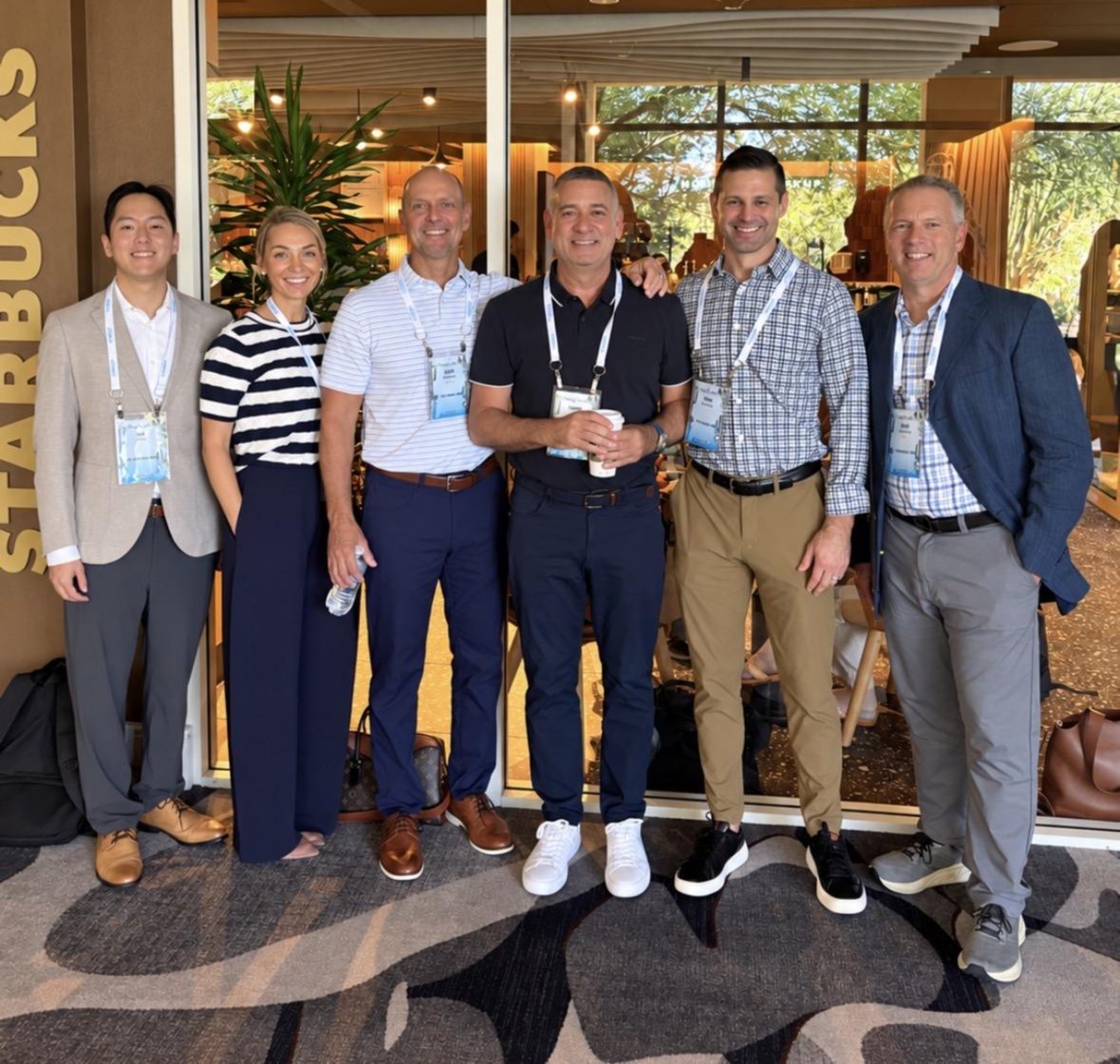
I just returned from the Lodging Conference in Phoenix, and one message came through clearly: the U.S. hotel industry remains resilient, but the environment around that resilience is becoming much more complicated.
The U.S. economy continues to absorb significant shocks, from geopolitical uncertainty and tariffs to higher interest rates and changing consumer behavior. Strong consumer spending and the massive investment in AI have helped keep the economy moving, and hospitality continues to benefit from healthy demand and limited new supply.
But resilience should not be confused with immunity.
For hotel owners and investors, the next phase of the cycle will require more discipline, sharper forecasting and a willingness to challenge assumptions that worked during the last few years.
The consumer remains the key variable
One of the most important themes discussed in Phoenix was the potential moderation in consumer spending.
This does not necessarily mean consumers will stop traveling. It means they may become more selective. Fewer nights, shorter trips, trading down in hotel categories and greater sensitivity to price can all affect hotel performance.
For operators, this makes revenue strategy increasingly important. The objective cannot simply be to push ADR higher. It has to be about finding the right balance between rate, occupancy, segmentation and total guest value.
The hotels that understand their customer and react quickly to changing demand will have an advantage.
Energy and operating costs matter
Higher energy prices create a broader challenge for hospitality. Fuel affects airlines, transportation, food distribution, construction and virtually every part of the supply chain.
For hotels, this means pressure can appear on both sides of the P&L. Operating costs increase while guests themselves face higher costs.
That makes expense management more important than ever.
Revenue growth alone is not enough. Owners need to understand labor productivity, utilities, insurance, procurement and maintenance at a much deeper level. A hotel with strong RevPAR growth can still underperform if its operating costs are not controlled.
Interest rates are reshaping hotel investment
For investors, one of the biggest challenges remains the cost of capital.
There are plenty of hotels on the market, but there is still a disconnect between seller expectations and what buyers can justify based on today’s financing costs.
That is creating a more selective transaction environment.
The right question is no longer simply, “Can this hotel grow RevPAR?”
It is, “Can this hotel generate sufficient cash flow after operating expenses, capital requirements and debt service to justify the investment?”
Investors need to stress test their assumptions. What happens if ADR growth slows? What if insurance increases? What if renovation costs exceed budget? What if the exit cap rate is higher than expected?
The strongest investments will be those that can perform in the downside case, not only in the base case.
Where I see opportunity
Despite the challenges, I left Phoenix optimistic about the investment environment. Why? Because uncertainty creates dislocation, and dislocation creates opportunity.
Some owners will need liquidity. Some properties will require capital they cannot access. Others will own fundamentally good hotels but lack the operational expertise or balance sheet to maximize their potential.
That creates opportunities for investors who have capital, patience and strong operating capabilities.
I believe the next generation of hotel acquisitions will be won through operational execution as much as financial engineering.
Buying the right hotel at the right basis, improving its revenue strategy, controlling costs and investing intelligently in the asset can create value even without relying on broad market appreciation.
The takeaway for owners and investors
My biggest takeaway from Phoenix is that the hotel industry is not entering a period where opportunity disappears. It is entering a period where discipline matters more.
For owners, that means protecting cash flow, understanding every line of the P&L and investing only where capital creates measurable value.
For investors, it means looking beyond the asking price and focusing on basis, financing, operating performance, capital requirements and downside protection.
The next cycle will not simply be about owning hotels.
It will be about knowing which hotels to own, at what basis, with what capital structure and with what operating strategy.
For those who get those decisions right, today’s uncertainty may become tomorrow’s opportunity.