




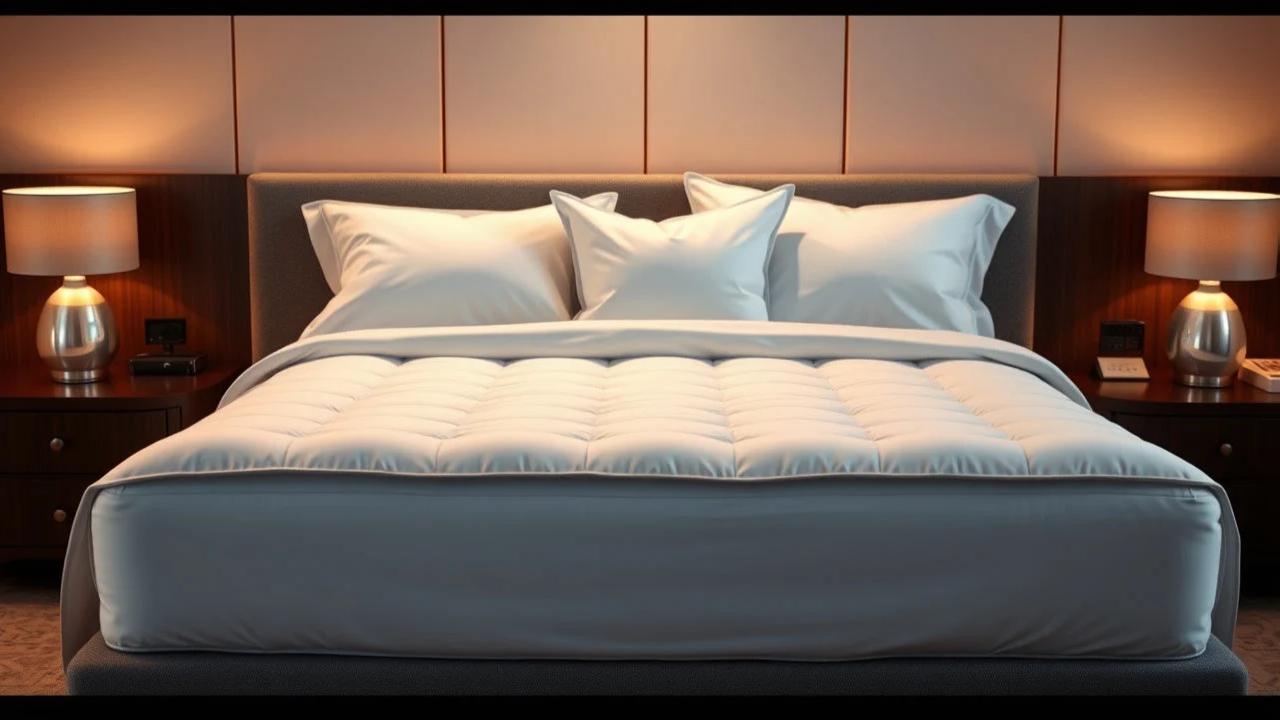
How High-Performance Hoteliers Are Capitalizing on the Rest Economics Market
By David Zaltzman
The most valuable commodity in commercial hospitality isn’t luxury, gourmet dining, or striking interior design. It is a recovery. More than 100 million Americans struggle with persistent sleep deficits, yet two-thirds of travelers report sleeping significantly better in hotels than in their own homes. This disparity reveals a fundamental operational reality for 2026 and beyond: every lodging property is ultimately a sanctuary for restoration.
With sleep tourism expanding at double-digit growth rates globally, guest recovery has shifted from a soft wellness amenity into a primary driver of rate integrity, repeat bookings, and long-term brand equity.
Across the global lodging market, guests are stepping up to front desks in a perpetual state of physical and mental exhaustion. Widespread sleep disruption, relentless digital connectivity, and the friction of modern travel mean that the modern traveler arrives at check-in running on absolute empty.
While the industry historically focused on aesthetic grandiosity and vibrant public spaces to drive bookings, the strategic emphasis for commercial hospitality has shifted. The primary product being sold today is not merely a room key or a lifestyle aesthetic; it is systematic recovery.
1. The Core Product: Hospitality as Restorative Infrastructure
Commercial real estate metrics often focus on RevPAR, ADR, and occupancy. However, underlying those key performance indicators is a fundamental consumer expectation: peaceful, uninterrupted rest.
- The Expectation-Performance Gap: Industry research reveals that roughly two-thirds of travelers achieve superior sleep in a quality hotel environment compared to their day-to-day residence. Properties that deliver on this expectation turn a routine stay into a compelling value proposition.
- Direct Impact on Lifetime Value: Clinical sleep research indicates that high-quality, restorative sleep during a stay directly correlates with guest retention. Sleep quality is no longer just a soft service touchpoint, it is a primary metric driving repeat visits and long-term loyalty.
2. Unlocking Pricing Power in Rest Tourism
The rapid expansion of specialized rest-focused travel presents independent operators and institutional investors with an extraordinary commercial opportunity. Capitalizing on this trend does not require unseating existing property footprints; it requires smart operational positioning.
- High-Margin Value Addition: Premium sleep-focused room categories, intelligent lighting profiles, curated evening wind-down protocols, and acoustic optimization carry modest execution costs while yielding substantial pricing power.
- Asset Differentiation: In saturated primary and secondary markets, positioning a property around guest restoration creates a distinct competitive moat that protects room rates against price-slashing competitors.
3. The Boutique and Independent Advantage
While international mega-brands must navigate long approval cycles to update brand standards, independent and boutique hotel owners can execute agile, high-impact changes immediately:
- Environmental Calibration: Align room mechanics, such as temperature regulation, sound attenuation, and total light blocking, to support human circadian rhythms.
- Operational Integration: Train front-of-house teams to handle check-ins with an emphasis on friction reduction and calming guest touchpoints.
- Targeted Amenities: Replace generic in-room offerings with intentional recovery tools, from specialized beverage options to low-tech evening rituals.
Strategic Takeaway for Asset Managers and Operators
As ownership groups evaluate capital allocation and property-level budgets for upcoming cycles, guest restoration must move to the center of asset management discussions. Reputation as a premier destination for genuine physical recovery compounds over time, manifesting in superior guest reviews, strong rate integrity, and elevated asset value.
The hoteliers who win in the current market will be those who recognize that taking care of a guest’s fundamental need for rest is the ultimate driver of commercial success.