




The “wait-and-see” era of hospitality investment is officially over
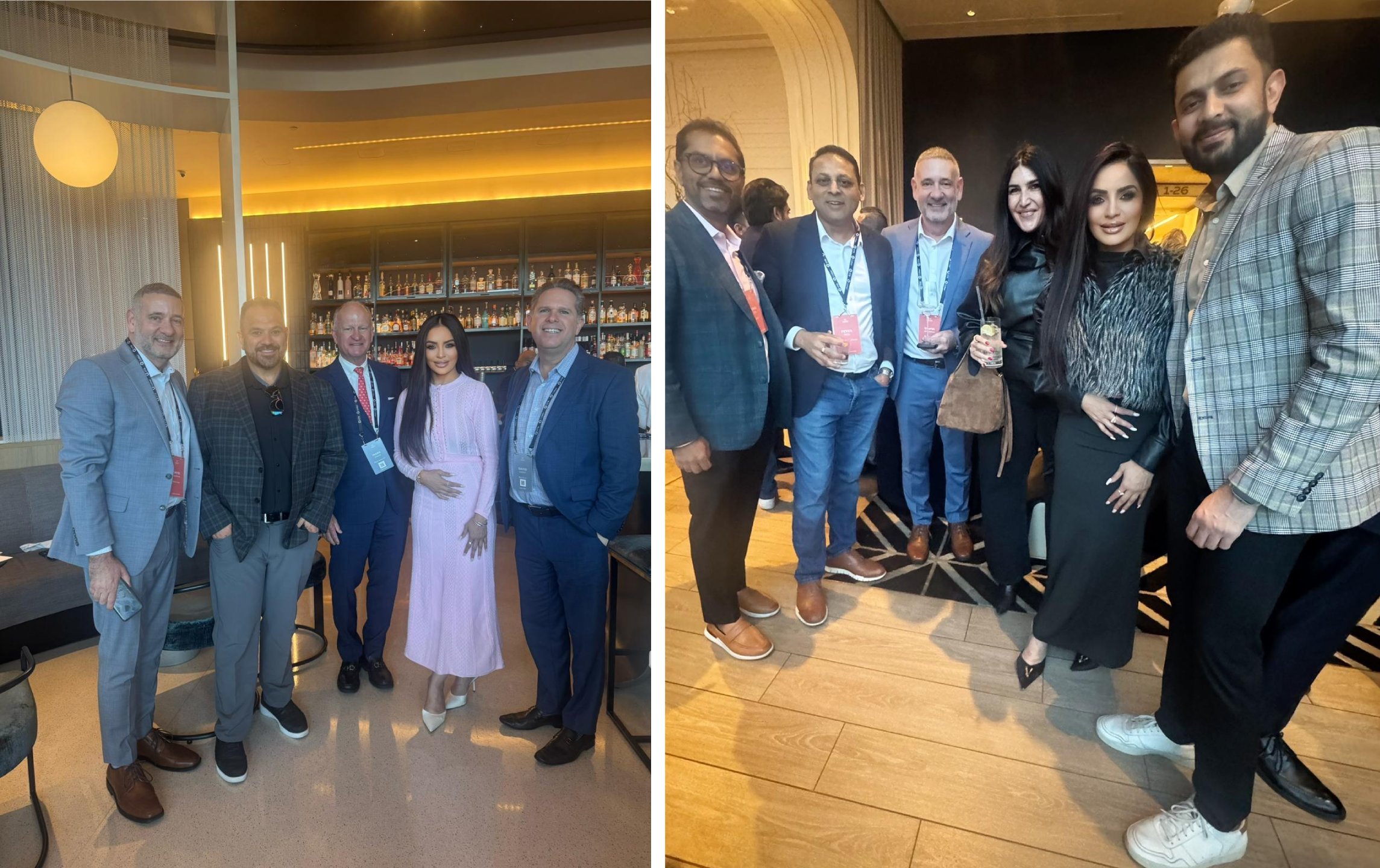
Our President and CEO, Dr. Ruby Dhalla, and our Vice President of Development, David Zaltzman, just returned from the 2026 Hunter Conference, held at the Signia by Hilton in Atlanta GA.
The common theme of the conference was that the hospitality industry is shifting from a defensive crouch to a strategic sprint. Observations from the 2026 Hunter Hotel Investment Conference in Atlanta make one thing clear: cautious optimism has been replaced by a calculated readiness to deal.
As we move through 2026, the industry has shifted from a defensive crouch to a strategic sprint. The stabilization of capital markets is finally narrowing the bid-ask spread, unlocking a surge in transaction activity that has been sidelined for years.
But this cycle looks different. It isn’t just about who has the most capital; it’s about who has the best operational intelligence and the highest level of agility. From the influx of cross-border investment to the silent revolution of back-of-house AI, the rules of the game have been rewritten.
For entrepreneurs and investors, the window for strategic acquisition is open, but the margin for error is slimmer than ever. In 2026, that period of stagnation ended. We are witnessing the thawing of capital markets and a return to high-velocity transaction activity. However, for the modern entrepreneur and institutional investor, this is not a return to the “old normal.” It is the beginning of a cycle defined by operational precision and global capital fluidity.
The Narrowing Spread and the Velocity of Capital
The most significant catalyst for the current market resurgence is the stabilization of debt costs. This predictability has allowed the bid-ask spread to finally contract. Investment professionals are no longer sitting on the sidelines; they are actively deploying dry powder into assets that were previously deemed too risky or overpriced. For the strategic investor, this represents a prime window for acquisitions before the market reaches peak saturation.
Beyond the Hype: Operational Intelligence as a Margin Protector
We have moved beyond the experimental phase of technology in hospitality. The “hype cycle” of Artificial Intelligence has matured into a focus on “back-of-house” efficiency. In an inflationary environment where labor and supply chain costs remain pressured, data-driven operational tools are the primary drivers of margin protection. The winners of this cycle are those leveraging technology not as a guest-facing gimmick, but as a rigorous engine for lean operational models.
The Globalization of Domestic Assets
A notable trend in the current landscape is the aggressive influx of cross-border capital. Significant interest from European, Canadian, and Mexican markets is signaling a high level of global confidence in domestic hospitality assets. This diversification of the capital stack is providing local operators and developers with sophisticated new exit strategies and unique partnership structures that were largely unavailable in previous years.
The Agility Premium in a Volatile Climate
While the macroeconomic foundation is solid, geopolitical volatility and shifting trade policies remain a reality. In this environment, “resilience” is no longer a buzzword—it is a measurable metric built through portfolio diversity and extreme organizational agility. The ability to pivot operational strategies in response to micro-market shifts is now a prerequisite for long-term viability.
Conclusion for the Strategic Leader
The hospitality sector continues to prove itself as one of the most resilient asset classes for those capable of navigating its inherent complexities. As the transaction market gains momentum, success will be dictated by two factors: the depth of your industry relationships and your ability to leverage technology to shield the bottom line. The market is moving. The question for entrepreneurs is no longer if they should engage, but how quickly they can optimize their operations to meet the new standard of excellence.